
95 per cent of advertising inventory has been sold on television and 18 on-air sponsors have been signed up so far, the highest for any season.

Some of these items of consumption include ultraviolet disinfectants and sanitising boxes, free-finger touch devices, do-it-yourself grooming kits, self-cleaning water bottles, smart tiffin boxes, hand-sanitizer wearables, antiviral fabrics, tiles, flooring and mattresses, and anti-fogging glasses.

Categories such as washing machines, refrigerators and television sets have seen sales growth of around 8-10 per cent in August compared to last year, industry sources said, with September also reporting a similar growth trajectory.

Future's home retailing interests, including furniture and furnishings, are housed under Praxis Home Retail, which was created in FY18 when the group demerged the business from Future Retail.

Analysts say large firms in these segments don't need loan recast due to the efficient manner in which many of them operate.

The bigger threat for DMart is that the Reliance-Future combine now has grocery revenues that are nearly 2.5 times of it, putting pressure on the former to improve stickiness of its consumers.

A third of the total restaurant market in India - valued at Rs 4.25 trillion - could be wiped out in the current financial year, since many players have simply been unable to sustain operations in the absence of customers.

Despite a 56 per cent fall in residential launches in the first half of the year compared to the second half of 2019, Anarock Property Consultants believes that consolidation in residential real estate is expected to gain ground, and that branded players may garner a market share of 75-80 per cent.

Retailers want rental waivers should be extended for a few more months, since business is not expected to pick up before the Dussehra-Diwali period, which falls in October-November.

While green shoots are beginning to emerge, with June sales rebounding to pre-Covid levels thanks to a rural revival, most FMCG chief executives have voiced concerns about localised lockdowns that began in July and have extended into August in some states.
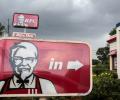
in the last three months, brands such as Tata Starbucks, KFC, and Pizza Hut have launched drive-through or kerb-side delivery services at their restaurants to catch consumers nervous about dining in.

However, both developers as well as analysts are hopeful that these business metrics will pick up once activity resumes.

'That it is happening in the second half of the year, during the festive season, will only encourage many to step up advertising.'

While JioMart is doing 250,000 orders per day, BigBasket and Amazon pantry are doing 220,000 and 150,000 orders, respectively.

Overall, the domestic FMCG market bounced back to levels of 98 in June compared with 75 in May and 101 in March before the nationwide lockdown was announced. The pre-Covid March index for foods was 103, and for non-foods, it was 99.

Mumbai's property markets, where prices earlier crossed Rs 1 lakh per sq. ft in South Mumbai, are seeing a 20-25 per cent markdown from last year's levels.
Rajiv Suri's resignation is effective August 25, the company said in a stock exchange filing. Suri quit for personal reasons and would pursue a career outside India, it added.

Real estate development on Mumbai airport land and the work on Navi Mumbai airport have been inordinately delayed, which have prompted rating downgrades and raised questions on its financial capabilities. It is also trying to stave off Adani group's entry as a shareholder in the Mumbai airport project.

We are adapting to the situation by innovating new delivery modelss, launching brand campaigns that are impactful in the current context and closely monitoring changes in consumer buying behaviour, he said.

For a product initially positioned as a "closet mate" which could help improve a woman's marital prospects, HUL Chairman Sanjiv Mehta says the communication now is all about women's empowerment.
 © 2025 Rediff.com - Investor Information - Advertise with us - Disclaimer - Privacy Policy - Sitemap - Feedback - About us - Terms of use - Grievances